
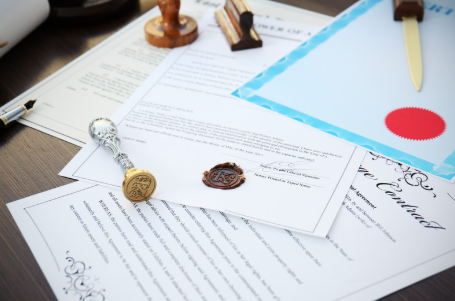
Document attestation is the official process of verifying the authenticity of a document so that it is legally recognized in a foreign country. Authorized government authorities, such as the Ministry of Foreign Affairs and foreign embassies, validate the signatures, seals, or stamps on the paperwork to prove it is genuine and untampered with. This procedure is mandatory for individuals seeking international employment, student visas, residency, or cross-border business setups, ensuring that local documents meet international legal standards.
Employment Visas : Employers and immigration departments require attested educational degrees and experience certificates to prove qualifications.
Education Abroad : Universities require attested transcripts and school-leaving certificates before granting admission.
Family Residency : Birth and marriage certificates must be attested to sponsor visas for spouses and children.
International Business : Corporate documents like articles of association, commercial invoices, and powers of attorney must be attested to open foreign bank accounts or register corporate branches.
Frequently Asked Questions
Frequently Asked Questions about Document Attestation
Documents eligible for attestation fall into three major categories:
Educational: Degree certificates, diplomas, academic transcripts, and school-leaving certificates.
Personal: Birth certificates, marriage certificates, police clearance certificates (PCC), and affidavits.
Commercial: Certificates of incorporation, powers of attorney, commercial invoices, and board resolutions.
Educational: Degree certificates, diplomas, academic transcripts, and school-leaving certificates.
Personal: Birth certificates, marriage certificates, police clearance certificates (PCC), and affidavits.
Commercial: Certificates of incorporation, powers of attorney, commercial invoices, and board resolutions.
The timeline ranges from 3 days to 4 weeks depending on the route. If your document requires local state verification (like HRD approval for degrees) before hitting central ministries and embassies, it takes longer than simpler commercial documents. Using a professional courier agency usually speeds up the transit time.
Rejections typically happen if a step in the verification chain was skipped, such as missing the final Ministry of Foreign Affairs (MOFA) stamp in the destination country. Check the back of the document to ensure all sequential stamps from both the origin and host countries are complete.
Generally, educational degrees and birth certificates do not expire once attested. However, personal or legal documents with limited validity, such as Police Clearance Certificates (PCC), power of attorney, or marriage certificates often require fresh attestation if they are older than 3 to 6 months.